Cash on Delivery available all over Pakistan — Free shipping on orders above Rs. 2,500

PCOS Natural Treatment Pakistan - Symptoms, Causes and Herbal Remedies | Doctor's Tea
Health Concern Guide

PCOS Natural Treatment in Pakistan

A complete guide to understanding PCOS, its symptoms, root causes and how to manage it naturally using herbal remedies without harmful side effects.
1 in 5
Pakistani women have PCOS
70%
go undiagnosed for years
100%
natural treatment available
PCOS Tea Pakistan Natural Herbal Treatment

What is PCOS and why is it so common?

Polycystic Ovary Syndrome, commonly known as PCOS, is one of the most common hormonal disorders affecting women of reproductive age. In Pakistan, it is estimated that 1 in 5 women have PCOS yet the majority go undiagnosed for years.

PCOS occurs when a woman's ovaries produce higher than normal amounts of male hormones called androgens. This hormonal imbalance causes small fluid-filled sacs called cysts to develop on the ovaries, disrupting the normal menstrual cycle and affecting fertility.

The condition is not just about irregular periods. PCOS is a metabolic and hormonal disorder that affects your entire body from your skin and hair to your weight, mood and long-term health.

The good news is that PCOS can be effectively managed through natural lifestyle changes, herbal remedies and dietary adjustments without relying solely on medication.

PCOS affects women of all ages
It commonly develops during teenage years and reproductive age but can affect women well into their 40s.
It is linked to insulin resistance
Up to 70% of women with PCOS have insulin resistance, which contributes to weight gain and hormonal imbalance.
Natural management is highly effective
Studies show that lifestyle changes, herbal remedies and dietary adjustments can significantly reduce PCOS symptoms.
Very common in Pakistan
Pakistani women are particularly susceptible due to dietary habits, stress levels and genetic predisposition.

PCOS Symptoms in Pakistani Women

PCOS presents differently in every woman. Here are the most common symptoms. If you experience 3 or more of these, consult a doctor.

Irregular Periods
Cycles that are longer than 35 days, fewer than 8 periods a year, or no periods at all. This is the most common sign of PCOS.
Unexplained Weight Gain
Difficulty losing weight or sudden weight gain, especially around the abdomen, even without changes in diet or activity.
Facial Hair (Hirsutism)
Unwanted hair growth on the face, chin, chest or back caused by elevated androgen levels. A very common and distressing symptom in Pakistan.
Hormonal Acne
Persistent acne on the face, jawline or back that does not respond well to normal treatments. Caused by excess androgens stimulating oil glands.
Hair Thinning
Hair loss or thinning on the scalp, similar to male pattern baldness. High androgen levels cause hair follicles to shrink over time.
Mood Swings and Fatigue
Hormonal imbalances cause emotional instability, anxiety, depression and persistent fatigue that affects daily life and productivity.

What causes PCOS?

PCOS does not have a single cause. It is the result of multiple interconnected factors working together. Understanding the root causes helps you address them more effectively.

1
Insulin Resistance
When cells do not respond properly to insulin, the pancreas produces more insulin. Excess insulin triggers the ovaries to produce more androgens, disrupting the hormonal balance.
2
Excess Androgen Production
The ovaries produce too much testosterone and other male hormones. This excess androgen prevents the normal release of eggs during ovulation.
3
Chronic Inflammation
Women with PCOS often have low-grade chronic inflammation throughout the body, which stimulates polycystic ovaries to produce androgens.
4
Genetic Factors
PCOS tends to run in families. If your mother or sister has PCOS, your risk of developing it is significantly higher.
5
Poor Diet and Lifestyle
A diet high in refined carbohydrates, sugar and processed food contributes to insulin resistance and worsens PCOS symptoms significantly.
6
Chronic Stress
High cortisol levels from prolonged stress disrupt hormonal balance and worsen insulin resistance, both of which contribute directly to PCOS.

How to manage PCOS naturally

Natural PCOS management works by addressing the root causes hormonal imbalance, insulin resistance and inflammation. Here are the most effective evidence-based approaches.

Herbal Remedies
Specific herbs like spearmint, cinnamon and fenugreek have been clinically studied for their ability to reduce androgens, improve insulin sensitivity and regulate menstrual cycles in women with PCOS.
Spearmint reduces excess androgens and facial hair
Cinnamon improves insulin sensitivity
Fenugreek helps regulate menstrual cycles
Diet Changes
A low glycemic diet that stabilizes blood sugar is one of the most powerful tools for managing PCOS. Reducing refined carbohydrates and sugar directly reduces insulin resistance.
Eat whole grains instead of refined flour
Include protein in every meal
Reduce sugar and processed food intake
Regular Exercise
Exercise improves insulin sensitivity, reduces androgens and helps with weight management all of which directly reduce PCOS symptoms. Even 30 minutes daily makes a significant difference.
Walking for 30 minutes daily is highly effective
Strength training helps reduce insulin resistance
Yoga reduces cortisol and stress levels
Stress Management
Chronic stress raises cortisol levels which directly worsen PCOS symptoms. Managing stress is a critical but often overlooked part of PCOS treatment.
Practice deep breathing or meditation daily
Prioritize 7 to 8 hours of quality sleep
Limit screen time especially before bed

Best herbs for PCOS relief

These herbs have been studied for their effectiveness in managing PCOS symptoms. They work by targeting the root hormonal causes of the condition.

🌿
Spearmint
Pudina
Studies show spearmint tea significantly reduces testosterone levels and excessive facial hair in women with PCOS within 30 days of use.
🪵
Cinnamon
Dal Chini
Improves insulin sensitivity and regulates blood sugar. Directly addresses the insulin resistance that underlies most PCOS cases.
🌱
Fenugreek
Meethi Dana
Traditional herb for hormonal balance. Supports regular menstrual cycles and reduces period pain. Also improves insulin function.
🫚
Ginger
Adrak
Powerful anti-inflammatory that reduces the chronic inflammation associated with PCOS. Also helps with bloating and digestive issues.

What to eat and what to avoid with PCOS

Your diet directly affects your hormone levels and insulin resistance. Making the right food choices is one of the most powerful things you can do for PCOS management.

Foods that help PCOS
Whole grains brown rice, oats, quinoa
Leafy greens spinach, kale, methi
Lean protein chicken, fish, lentils, eggs
Healthy fats nuts, seeds, olive oil
Berries and low sugar fruits
Spearmint and herbal teas
Flax seeds and chia seeds
Cinnamon add to food and tea daily
Foods that worsen PCOS
White flour maida roti, bread, pasta
Sugary drinks sodas, packaged juices
Refined sugar mithai, biscuits, candy
Fried and processed food
Fast food burgers, pizza, fries
Dairy in excess especially full-fat
Alcohol and smoking
Artificial sweeteners and preservatives
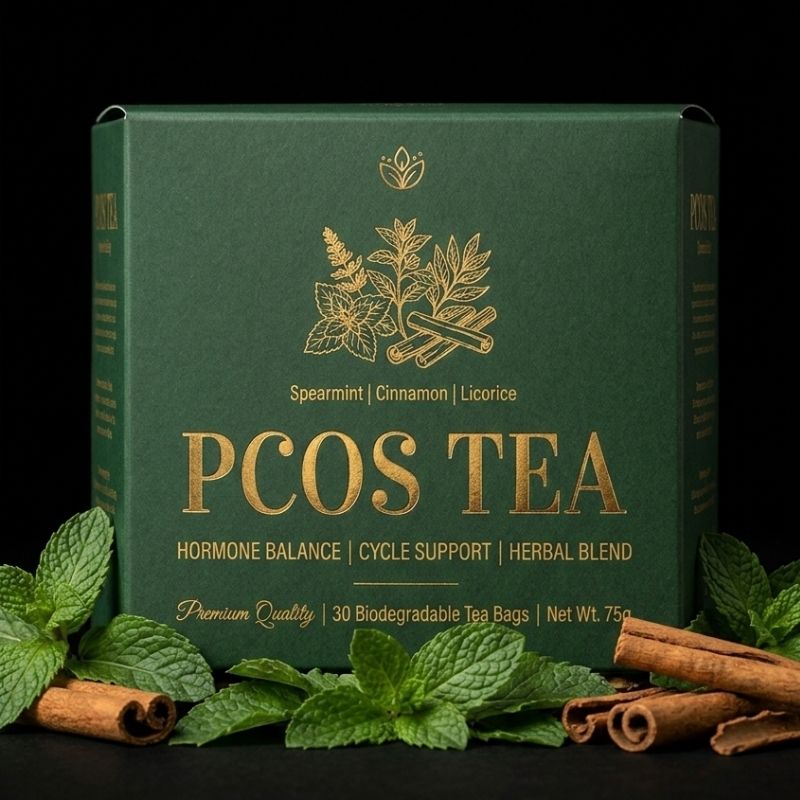
Try Doctor's Tea PCOS Tea

Our PCOS Tea is a natural herbal blend of spearmint, cinnamon and fenugreek specifically formulated to address the root hormonal causes of PCOS.

Reduces excess androgens and facial hair
Regulates menstrual cycle naturally
Improves insulin sensitivity
No chemicals. No side effects.
Cash on delivery all over Pakistan
PCOS Tea Pakistan Doctor's Tea Natural Herbal Blend
Medical Disclaimer
The information on this page is for educational purposes only and is not intended as medical advice. PCOS is a medical condition that should be diagnosed and managed with the guidance of a qualified healthcare professional. Doctor's Tea products are natural herbal supplements and are not intended to diagnose, treat, cure or prevent any disease. Always consult your doctor before starting any herbal supplement.